How Your Nervous System Runs Your Health
Most people think about health in parts.
Headaches are a head problem. Fatigue is an energy problem. Anxiety is a mental problem. Pain is a tissue problem. Poor sleep is a sleep problem.
That is not how the body works.
The body works through signals. Your nervous system receives information from your environment, interprets whether you are safe or under threat, then coordinates the output. Muscle tension, heart rate, digestion, inflammation, breathing, sleep depth, pain sensitivity, and recovery are all shaped by the state of that system.
When the signal is clear, the body can regulate. When the signal is distorted, the body adapts around distortion.
That is where many chronic symptoms start to make more sense.
The Short Answer
Your nervous system runs your health by controlling the communication between your brain and body. It helps regulate pain, movement, heart rate, digestion, sleep, immune activity, inflammation, and recovery. When the system is overloaded or receiving distorted input, the body can stay in a protective state even when life seems calm.
Health is not just chemistry. It is communication.
Modern health conversations often focus on chemistry: hormones, neurotransmitters, blood sugar, cortisol, inflammation, and supplements.
Those matter. But chemistry does not operate alone. It is downstream of communication.
Your brain is constantly asking one question:
Are we safe enough to repair, digest, sleep, and recover, or do we need to protect?
The nervous system answers that question through incoming signals from the body. It reads posture, joint motion, breathing, pain, inflammation, visual input, vestibular input, heart rhythm, temperature, and emotional context.
Then it decides what state to organize around.
This is why two people can have the same lab values, same workout routine, same diet, and completely different health expression. One system may be operating from safety. The other may be operating from threat.
The autonomic nervous system: the regulation layer
The autonomic nervous system controls involuntary functions. You do not have to consciously regulate your heartbeat, blood pressure, digestion, sweating, pupil size, or inflammatory response. Your body handles that through autonomic control.
This system is often simplified into two branches:
- Sympathetic: mobilization, alertness, threat response, increased heart rate, increased muscular readiness
- Parasympathetic: recovery, digestion, repair, rest, restoration
The goal is not to live in the parasympathetic system all the time. That would be impossible and unhealthy. The goal is flexibility.
A healthy nervous system can mobilize when needed and recover when the demand is gone.
A dysregulated system gets stuck. It keeps running protective output after the original threat has passed.
That is the pattern we see clinically in people who say:
- “I can’t relax even when nothing is wrong.”
- “I wake up tired no matter how much I sleep.”
- “My body feels tense all the time.”
- “I feel wired and exhausted at the same time.”
- “I keep doing the right things, but nothing sticks.”
Those are not character flaws. They are state problems.
The three bottlenecks that block self-healing
At Foresight, we think about health through three major bottlenecks.
1. Nervous-system overload
Nervous-system overload happens when the body is receiving more stress input than it can adapt to.
That stress may be emotional, physical, metabolic, inflammatory, environmental, or mechanical. The body does not separate these as neatly as we do. A poor night of sleep, chronic neck tension, blood sugar swings, constant work stress, unresolved inflammation, and poor recovery can all feed the same protective state.
Over time, the body starts treating survival mode as baseline.
2. Structural alignment
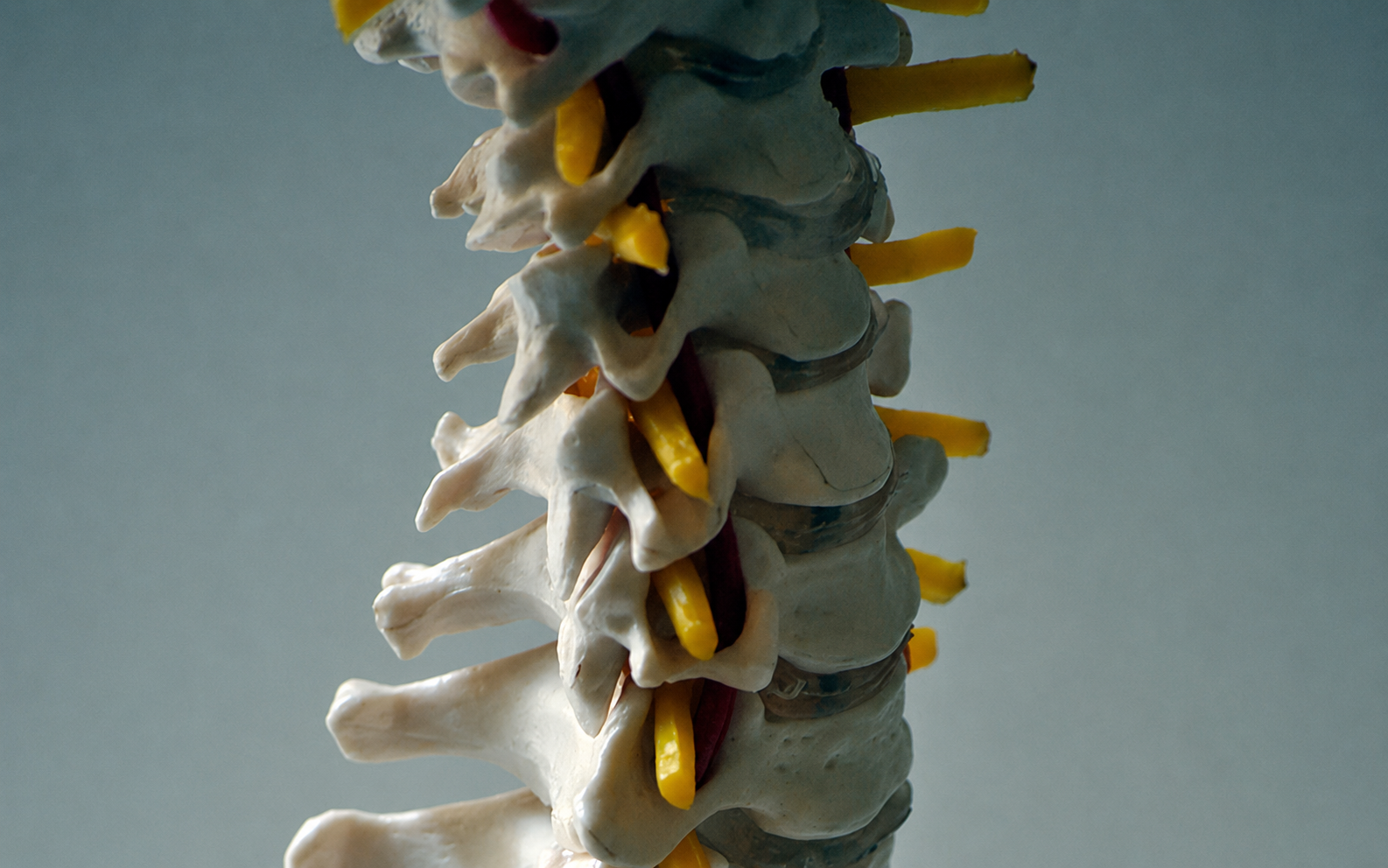
The spine is not just a stack of bones. It is a major communication pathway.
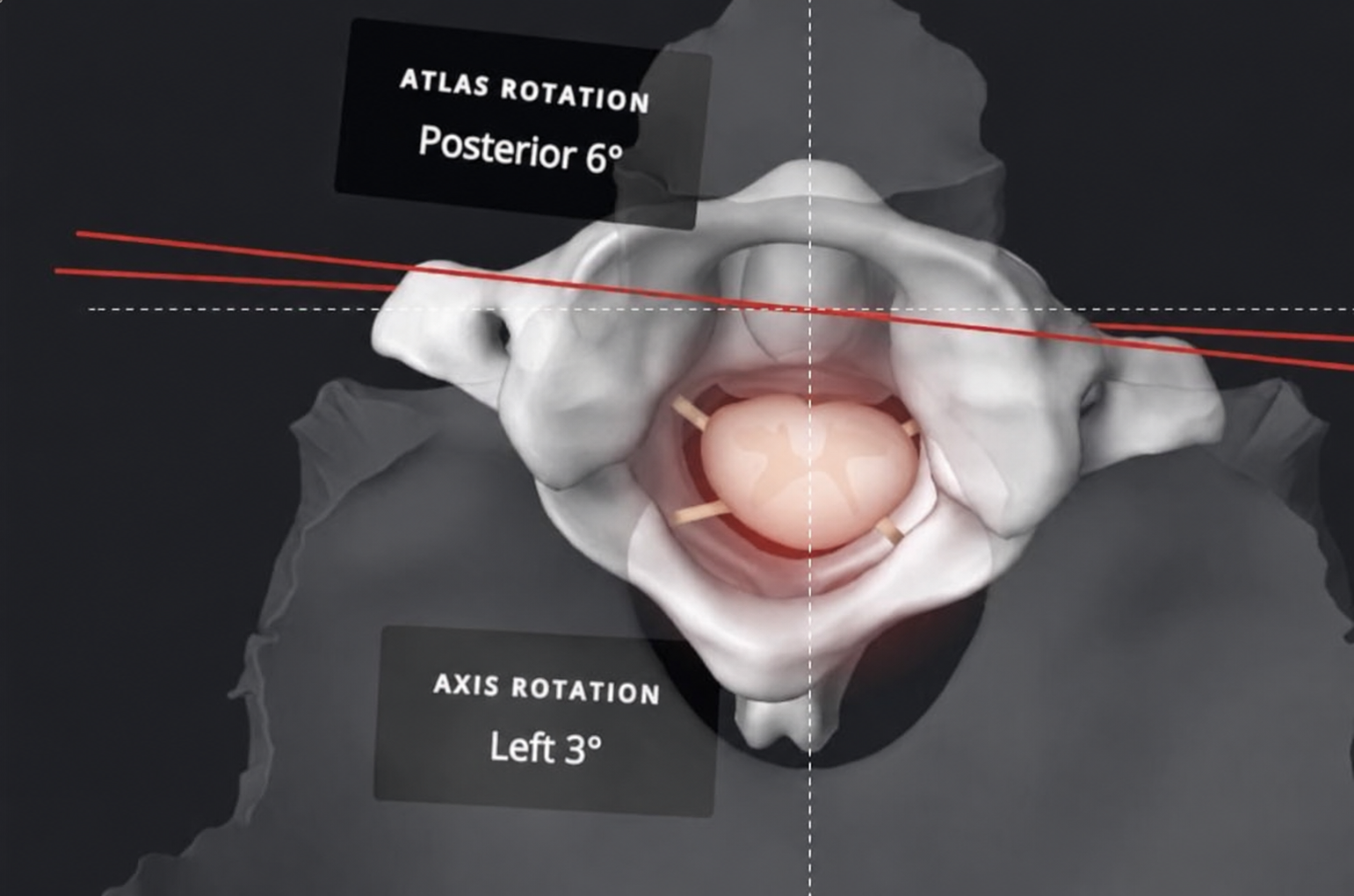
The upper cervical spine, especially the atlas vertebra at the top of the neck, sits near one of the most neurologically dense areas in the body. This region influences proprioception, muscle tone, head posture, balance, and the way sensory information reaches the brain.
When there is structural interference at this level, the nervous system may receive distorted information about position, tension, and threat. That can affect downstream output.
This does not mean every symptom comes from the neck. That would be an overclaim.
It means structural input is one of the major inputs the nervous system uses to decide how to regulate.
3. Inflammation
Inflammation is not bad. It is part of healing.
The problem is chronic inflammatory signaling. Research has increasingly connected chronic, unresolved inflammation with cardiovascular disease, metabolic disease, neurodegenerative disease, mood disorders, autoimmune activity, and other major health patterns. The evidence here is far stronger than the evidence for many trendy wellness claims.
Inflammation and nervous-system state also influence each other. A body under chronic threat can promote inflammatory signaling. Inflammation can also increase threat perception and alter pain sensitivity.
That loop matters.
Why self-regulation has a ceiling
Breathwork helps. Sleep matters. Exercise matters. Nutrition matters. HRV training matters.
But none of those tools operate in a vacuum.
If your nervous system is receiving distorted structural input, inflamed signaling, poor sleep signals, or constant metabolic stress, self-regulation may help you feel better without fully changing the system’s baseline.
This is the ceiling moment.
You can use every recovery tool correctly and still feel stuck if the body is organizing around threat input it cannot resolve on its own.
That is why we do not treat regulation as a mindset issue. We treat it as a measurable body-state issue.
How we evaluate nervous-system state at Foresight
The first step is not guessing. It is measuring.
At Foresight, a comprehensive neurological assessment may include:
- HRV scanning to evaluate autonomic balance and adaptability
- Surface EMG to measure muscle tension patterns along the spine
- Thermography to visualize temperature asymmetries related to autonomic output
- Postural and structural evaluation to identify mechanical patterns of compensation
- Upper cervical assessment to determine whether atlas interference may be part of the picture
The purpose is simple: make the invisible visible.
A patient can describe fatigue, migraines, tension, brain fog, dizziness, anxiety, or poor recovery. But the deeper question is always:
What state is the nervous system organizing around, and why?
Why this matters for patients
If your symptoms keep getting treated separately, you may never get a clear answer.
A headache medication may reduce pain without changing the pattern that keeps generating tension. A sleep supplement may help you fall asleep without changing the threat state that keeps waking you up. Breathwork may calm the system for 10 minutes without addressing the structural interference that keeps the system guarded.
The goal is not to chase every symptom.
The goal is to identify the bottleneck.
When the bottleneck changes, health expression can change.
What to do next
If your body feels like it's stuck in protection mode, start with a comprehensive neurological assessment.
Not because every problem is structural.
Because if structural interference is part of the pattern, ignoring it keeps the system working harder than it has to.
At Foresight, we look at the nervous system first because the nervous system is the system that runs the rest of the body.
References
1. Shaffer F, Ginsberg JP. An overview of heart rate variability metrics and norms. Front Public Health. 2017. https://pubmed.ncbi.nlm.nih.gov/29034226/
2. Furman D, et al. Chronic inflammation in the etiology of disease across the life span. Nature Medicine. 2019. https://pubmed.ncbi.nlm.nih.gov/31806905/
3. Kim HG, et al. Stress and heart rate variability: A meta-analysis and review. Psychiatry Investigation. 2018. https://pmc.ncbi.nlm.nih.gov/articles/PMC5900369/
4. Herman JP, et al. Regulation of the hypothalamic-pituitary-adrenocortical stress response. Compr Physiol. 2016. https://pmc.ncbi.nlm.nih.gov/articles/PMC4867107/
5. Chalmers T, et al. Associations between sleep quality and heart rate variability. 2022. https://pmc.ncbi.nlm.nih.gov/articles/PMC9103972/