Healing isn't passive. The body doesn't repair because time passed. It repairs because the nervous system shifted into repair mode and stayed there long enough to finish the work.
When that shift doesn't happen — or doesn't hold — the tissue stays in a partially healed state. The acute pain resolves. The injury doesn't. You walk away with something the body never finished.
This is the pattern behind most chronic injuries, post-surgical recoveries that stall, post-concussion symptoms that linger, and inflammation that won't resolve no matter what you take for it.
What repair actually requires
Tissue repair is a parasympathetic process. The body builds new tissue, clears metabolic waste, resolves inflammation, and rebuilds movement patterns when the autonomic system is in recovery mode — not survival mode.
Specifically, the body needs:
- Adequate vagal tone to direct resources toward digestion, immune function, and tissue rebuilding
- Normal inflammatory resolution. Acute inflammation is necessary; chronic inflammation is the system getting stuck in the early phase
- Local circulation that's not constrained by chronic guarding around the injury site
- Accurate proprioceptive feedback so the brain can rebuild the movement pattern around the new tissue
- Sleep that runs full cycles so deep-sleep repair processes have time to work
When the autonomic system stays sympathetic-dominant after an injury, all five of these get compromised. Healing happens — but it happens slowly, incompletely, and with compensations that lock in.
What an unfinished injury looks like
Common patterns we see:
- An ankle sprain from years ago that never fully recovered range of motion
- A whiplash from a low-speed accident that "wasn't bad" but produced ongoing neck tension, headaches, and sleep disturbance
- A post-surgical recovery that resolved the surgical problem but left fatigue, brain fog, or chronic guarding
- A concussion that "cleared" weeks ago but still produces sensitivity to noise, light, or screens
- Chronic tendinopathy that responds to rest but returns within weeks of returning to activity
- Inflammation markers that stay elevated for months without a clear cause
The signature in all of these: the acute event has passed, but the system never fully exited the protect state. The body is still bracing around the original input.
Why this happens
Three reasons, often overlapping:
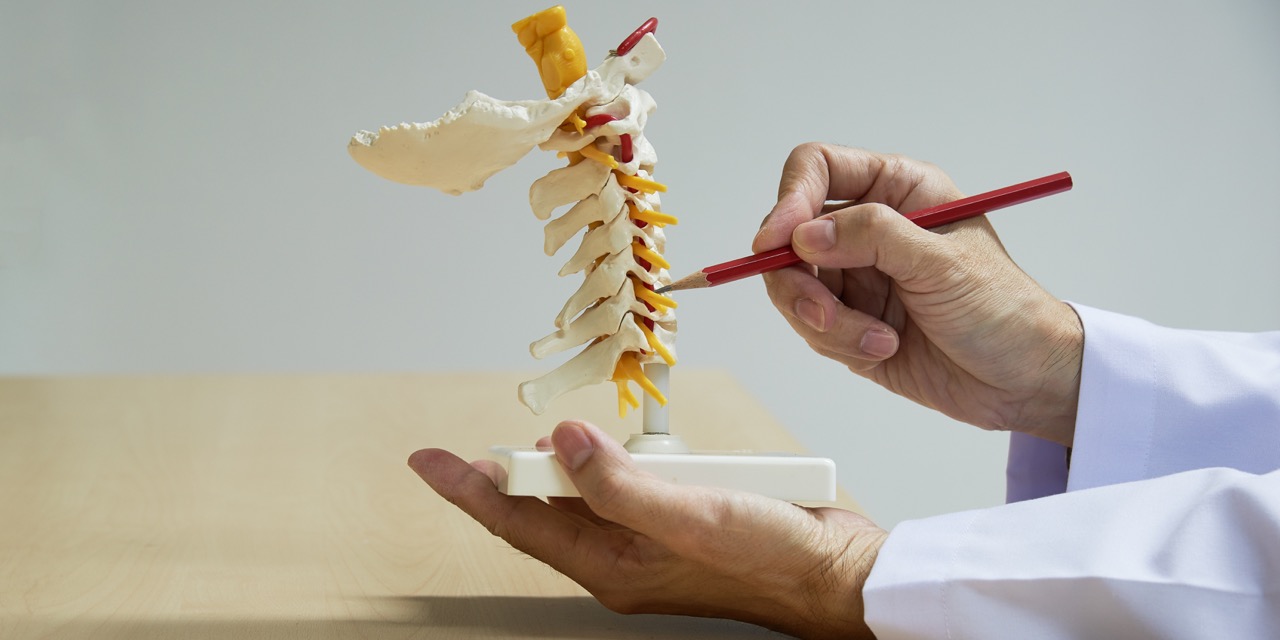
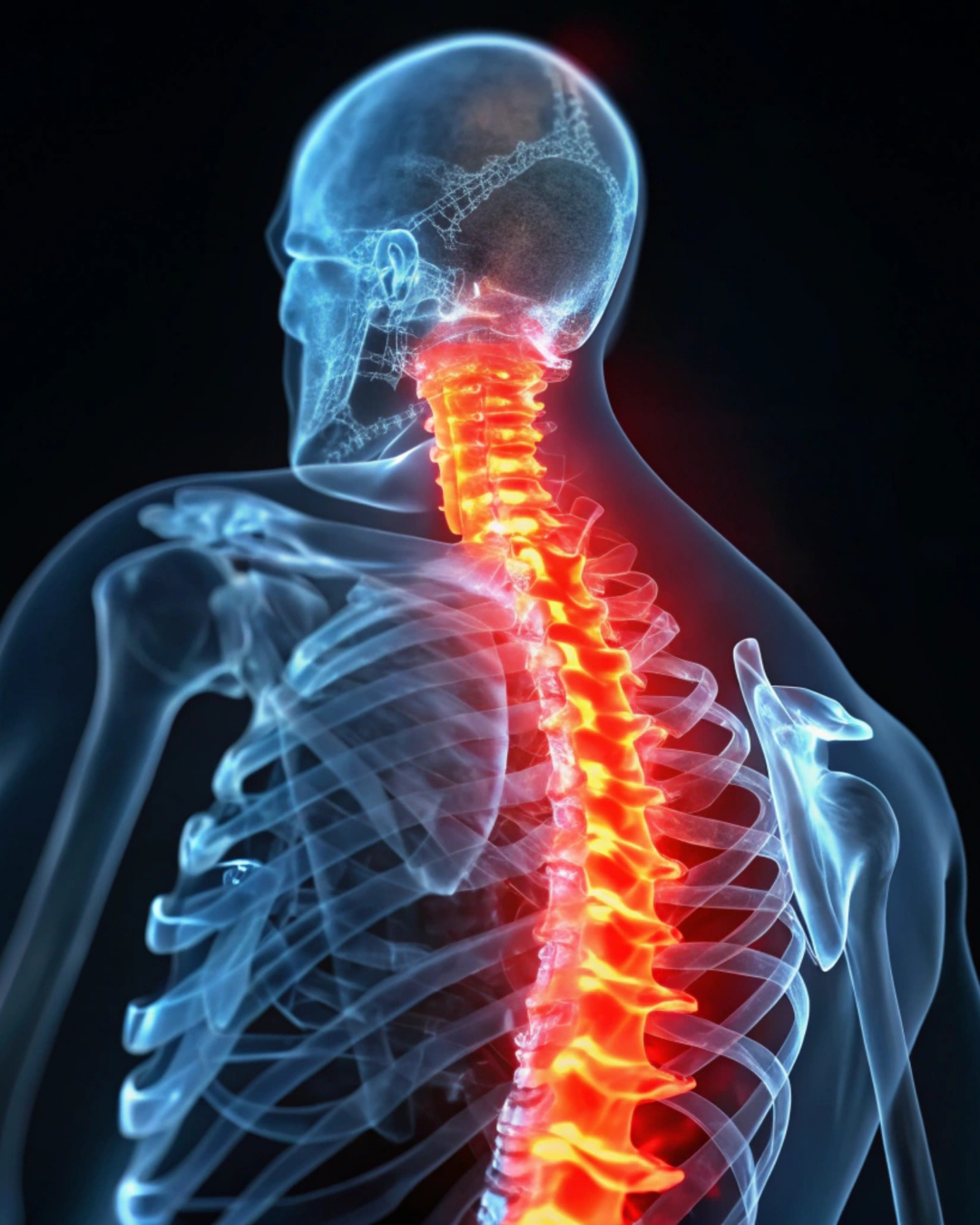
- The structural input never reset. An injury — especially one involving the head or upper neck — can disturb the position of the atlas vertebra. The body compensates around the disturbed input, and the compensation becomes the new baseline.
- Chronic guarding sets in. Muscles that braced during the acute phase keep bracing. They send "the body is still under threat" signals to the brainstem, which keeps the autonomic system biased toward sympathetic.
- Autonomic recovery never completes. Sleep, digestion, and immune function stay slightly off. The repair processes that needed parasympathetic dominance don't get it.
Once this pattern locks in, time alone doesn't resolve it. The signal needs to clear.
What we look for
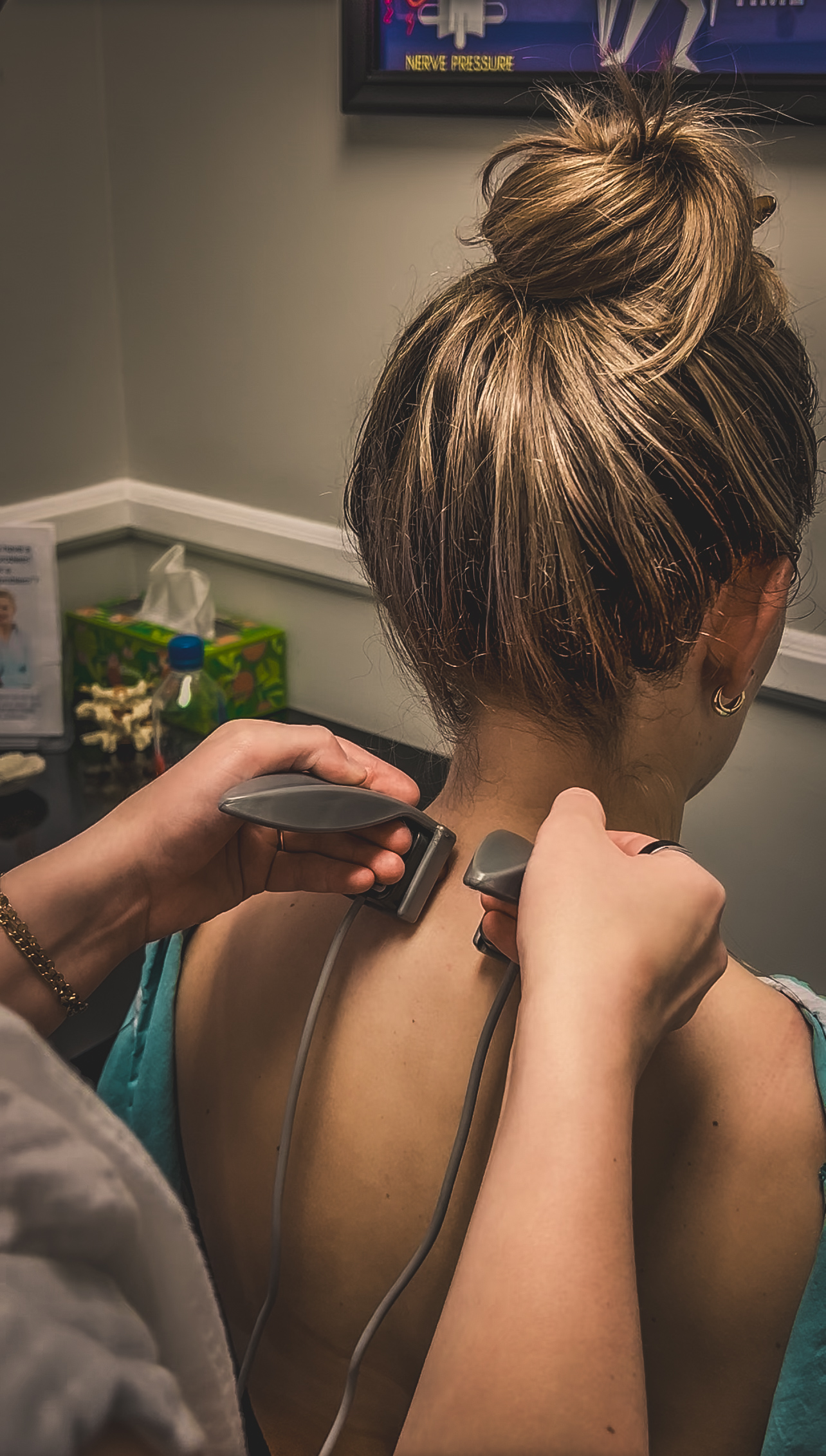
Post-injury patients get the full baseline: imaging plus HRV, sEMG, and thermography. The combination tells us:
- Whether the atlas was disturbed by the original injury and never reset
- Whether chronic guarding is still active in specific muscle groups
- Whether the autonomic system has recovered to a normal regulated state
- Whether there are temperature asymmetries that suggest unresolved inflammation or autonomic compensation
If the assessment indicates structural involvement, we use Atlas Orthogonal to correct the upper cervical input. We use Muscle Regen (AMIT) to release the chronic guarding patterns. We use LLLT laser therapy when localized tissue repair needs targeted support.
The order matters. Clear the signal first. Release the guarding next. Support tissue repair last. Backwards almost never works.
What measurable progress looks like
Recovery is hard to track subjectively. The system gives clearer signals if you look at:
- HRV trending up week over week
- Sleep architecture improving (more time in deep sleep, fewer overnight wakes)
- sEMG showing the chronic guarding pattern releasing in specific muscle groups
- Pain mapping reducing in size and intensity
- Range of motion measurably improving
- Functional load tolerance climbing — you can do more without setback
These are the markers we watch alongside symptoms. The numbers move when the system shifts. The numbers don't move when the system is still stuck.
The point
Some injuries take longer than the body can finish on its own. Time without input doesn't equal recovery. The system has to be in the state where repair actually happens — and stay there long enough to complete the work.
If you have an injury that's been hanging on past when it should have resolved, schedule an assessment. We baseline every new patient with imaging plus HRV, sEMG, and thermography to see exactly what the body is still doing, before we recommend anything.