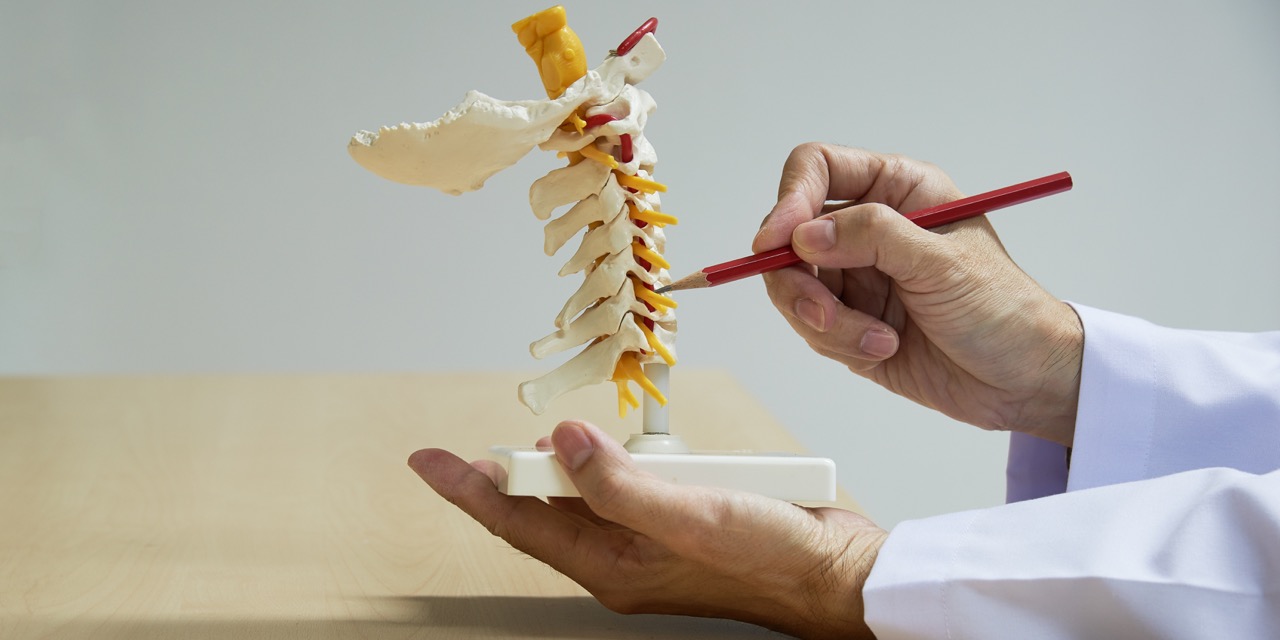
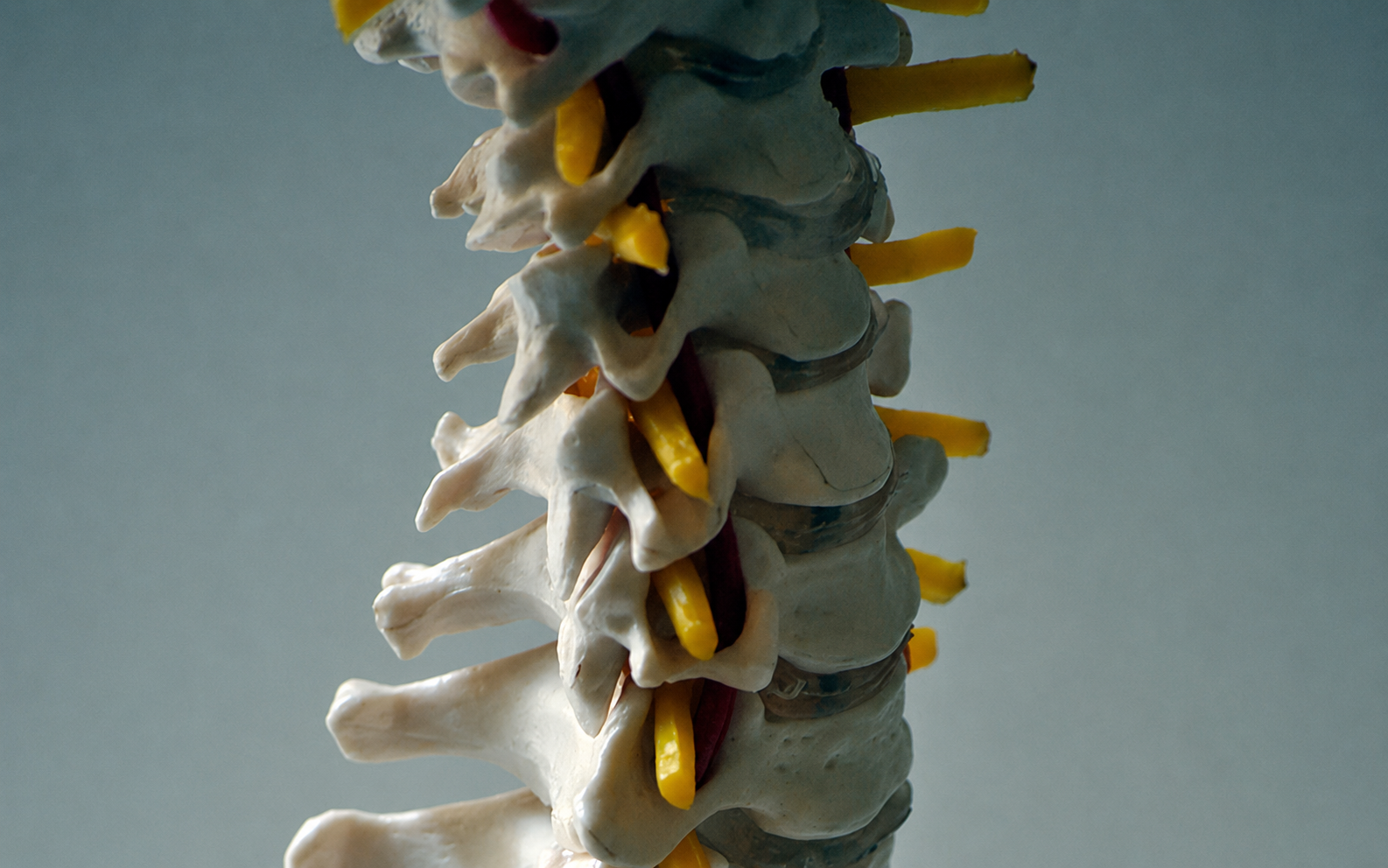
Your nervous system is hardware. What feeds it is software.
The Human Operating System framework that organizes how we think about care here at Foresight has three categories of inputs: nutrition, movement, and mindset. Each one is a daily input stream into the system. Each one is independently capable of either supporting or compromising nervous system regulation. And all three are gated by the same hardware capacity that structural and autonomic state determines.
This is the foundational piece. Cornerstone articles on specific topics — HRV, sleep, post-concussion recovery — assume the input framework. This article is the framework itself.
Why inputs matter
The nervous system isn't a closed system. It's constantly being shaped by what enters it.
Nutrition determines the inflammatory baseline the system has to work against, the blood glucose stability that affects autonomic regulation hour by hour, and the micronutrient availability that gates neurotransmitter production.
Movement shapes which autonomic pattern dominates throughout the day — chronic sympathetic activation from anxiety-driven exercise, parasympathetic activation from rhythmic low-intensity work, or the recovery state that comes from intentional downregulation.
Mindset, in the practical sense the framework uses, isn't about positive thinking. It's about cognitive load, stress reactivity patterns, sleep architecture, and the autonomic state your default mental processes maintain.
Each stream feeds the system continuously. Each one, when optimized, raises the ceiling. Each one, when neglected or actively compromised, lowers the ceiling.
In short: The Human OS framework recognizes three categories of daily input into the nervous system: nutrition, movement, and mindset. All three matter. All three are gated by hardware capacity. Optimize the inputs, address the interference (structural and autonomic), and the output — health expression — improves.
Input one: nutrition
Nutrition affects the nervous system in three primary ways.
Inflammatory load. The omega-6 to omega-3 ratio in your diet sets the inflammatory baseline. Most Western diets run a ratio of 15:1 to 25:1, which keeps the system in a low-grade inflammatory state. Lower that ratio (through marine fats, removing industrial seed oils) and the autonomic system has less work to do.
Glucose stability. Blood sugar swings drive sympathetic activation. A breakfast that spikes glucose and crashes it forces the system into emergency-glucose-defense mode, which costs autonomic capacity for hours. Protein-and-fat-anchored meals stabilize the system.
Neurotransmitter substrate. The amino acid precursors for serotonin, dopamine, and GABA come from dietary protein. Iron, B-vitamins, magnesium, and zinc are cofactors. Marginal deficiencies in any of these compromise neurotransmitter production and downstream nervous system function.
The practical version: anti-inflammatory whole foods, protein-anchored meals, mostly unprocessed, with attention to the omega-3 to omega-6 ratio and adequate micronutrient density. None of this is novel. What's specific is recognizing nutrition as an input that loads or unloads the autonomic system, not as a standalone "health" priority.
Input two: movement
Movement is autonomically active. Different kinds of movement produce different autonomic responses.
High-intensity training drives sympathetic activation. That's useful when the system has the capacity to recover. It's depleting when the system is already running at the ceiling. Most people who feel worse after exercise aren't out of shape — they're out of autonomic capacity.
Low-intensity rhythmic movement (walking, easy cycling, slow swimming) is parasympathetic-activating. It supports recovery, vagal tone, and HRV. For someone whose nervous system is exhausted, low-intensity rhythmic movement often does more for autonomic state than the harder workout they think they should be doing.
Mobility and tissue work (yoga, mobility flows, intentional stretching) sit in between. They're parasympathetic-promoting when done at a pace that allows the system to settle, sympathetic-activating when forced or rushed.
The principle: match movement type to current autonomic capacity. Use high-intensity work when the system can absorb and recover from it. Use low-intensity work when the system needs to rebuild capacity. Both have their place. Doing the wrong one for your current state costs more than it gives.
Input three: mindset
Mindset, in this framework, isn't about beliefs or attitudes. It's about cognitive load and the default autonomic state your mental life maintains.
Cognitive load — meetings, decisions, screens, social stimulation — costs autonomic bandwidth. A day full of sustained high-cognitive-demand work draws on the same regulatory capacity that physical recovery needs. Many high-functioning patients we see are running cognitive marathons every day and wondering why their bodies feel exhausted.
Stress reactivity — how quickly the system shifts into sympathetic activation in response to normal demands, and how slowly it returns to baseline — determines how much autonomic capacity the system has at the end of each day.
Sleep architecture is downstream of cognitive load and stress reactivity. A nervous system that can't downregulate at night isn't getting recovery sleep. Without recovery sleep, the next day's input compounds. The pattern accumulates.
Mindset interventions that move the autonomic state include breathwork (slow exhales activate the vagal system directly), meditation (over time, reduces baseline sympathetic tone), time outdoors (cooler ambient sympathetic tone), and intentional cognitive offloading. These work — within the hardware ceiling.
How the three inputs integrate
The three streams don't operate in isolation. They feed the same nervous system, and each one's effect compounds or compromises the others.
Poor sleep amplifies stress reactivity, which raises cognitive load, which reduces recovery from movement, which compromises sleep further. A negative feedback loop.
Anti-inflammatory diet raises baseline HRV capacity, which supports better recovery from movement, which improves sleep architecture, which lowers stress reactivity. A positive feedback loop.
Optimizing all three is the work. None of it replaces addressing structural interference when structural drivers are present. But the three input streams determine how much capacity your nervous system has to do its job in the first place.
Where Foresight fits
The practice addresses the interference layer — primarily structural input through Atlas Orthogonal correction, supported by the assessment infrastructure (thermography, sEMG, HRV) that captures autonomic state and tracks response.
We're not your nutritionist or your trainer or your therapist. We address the hardware piece that none of those providers reach. Optimal results happen when the inputs are being managed in parallel with structural work.
If your inputs are dialed in and you're still hitting a regulation ceiling, that's often the signal that structural interference is the missing piece.
Schedule your assessment
The first visit is a consultation, full assessment, and upper cervical x-rays. The HRV baseline alone tells us a lot about where your system is sitting before we look at anything else. The doctor reviews everything between visits, and the report of findings comes at visit two.
Schedule Your Assessment Today.
References
1. Furman D, Campisi J, Verdin E, et al. Chronic inflammation in the etiology of disease across the life span. *Nature Medicine.* 2019;25(12):1822-1832. doi:10.1038/s41591-019-0675-0
2. Thayer JF, Yamamoto SS, Brosschot JF. The relationship of autonomic imbalance, heart rate variability and cardiovascular disease risk factors. *International Journal of Cardiology.* 2010;141(2):122-131. doi:10.1016/j.ijcard.2009.09.543
3. Walker MP. *Why We Sleep: Unlocking the Power of Sleep and Dreams.* Scribner; 2017.