Schedule Your Assessment
Schedule Your Assessment
New to Foresight?
Book a Free Consultation
Book a Free Consultation




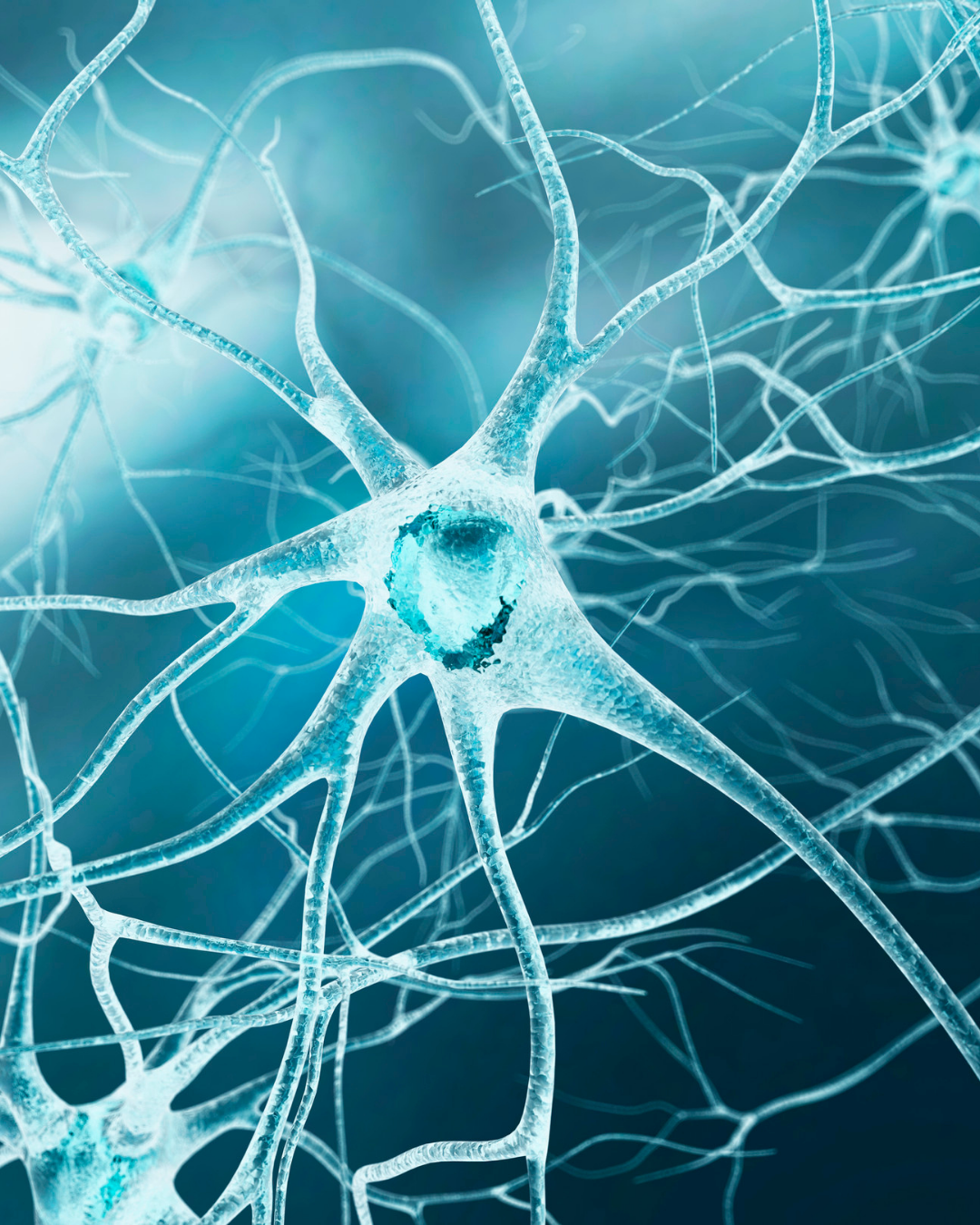
The Human Operating System is the framework we use to organize how the body actually works. Your nervous system runs the show. Every signal — pain, fatigue, mood, sleep, recovery, immunity — passes through it. When the nervous system is regulated, the system runs cleanly. When something interferes, the output drifts: symptoms that don't add up, recovery that stalls, performance that plateaus.
We work in three layers: Inputs, Interference, and Output.
Inputs are what you feed the system every day. Nutrition. Movement. Sleep. Mindset. The signals coming in through your sensory environment. Inputs are mostly under your control, and they matter — but they're not the only lever, and for many people, optimizing inputs hits a ceiling without addressing what's underneath.
Interference is what gets in the way of the signals running cleanly. Structural interference at the upper cervical spine is the most consequential and most overlooked. The atlas vertebra (C1) sits at the junction where the brainstem meets the body. When C1 misaligns — from trauma, postural strain, or accumulated stress — it generates upstream signaling noise that downstream systems try to compensate around. That compensation looks like chronic pain, sleep dysregulation, anxiety, vertigo, post-concussion symptoms, or the diffuse "something's off" most people learn to live with.
Output is what shows up in your life: how you sleep, recover, perform, think, and feel. Output reflects the state of the system. When output is off, the impulse is usually to chase the symptom. The Human OS approach is to address the system that's generating it.
Conventional chiropractic, functional medicine, and wellness coaching each capture pieces of this. None of them, on their own, account for the upper cervical spine as a primary regulatory site. The published research on Atlas Orthogonal correction documents measurable shifts in blood pressure, autonomic markers, vertigo, and post-concussion symptoms after upper cervical work. That doesn't mean upper cervical care fixes everything — it means it belongs in the conversation when systemic regulation is the question.
We built the Human OS framework so patients have a structure to think with. So a migraine, a chronic shoulder, and a sleep problem aren't four separate problems — they're often outputs of the same upstream issue. So you stop chasing symptoms and start correcting what's generating them.
Read the cornerstone below for the full mechanism explanation. Then explore the Conditions hub if you're trying to understand a specific symptom, or the Modalities hub if you want to see how we measure the system (HRV, sEMG, thermography, x-ray).
If you're considering care, the Schedule Your Assessment button below opens our consultation flow — we start with a conversation and a structured nervous-system assessment before any decision about adjustment.

Sleep quality isn't a willpower problem. It's an autonomic process, and the state of your nervous system determines whether the process works.
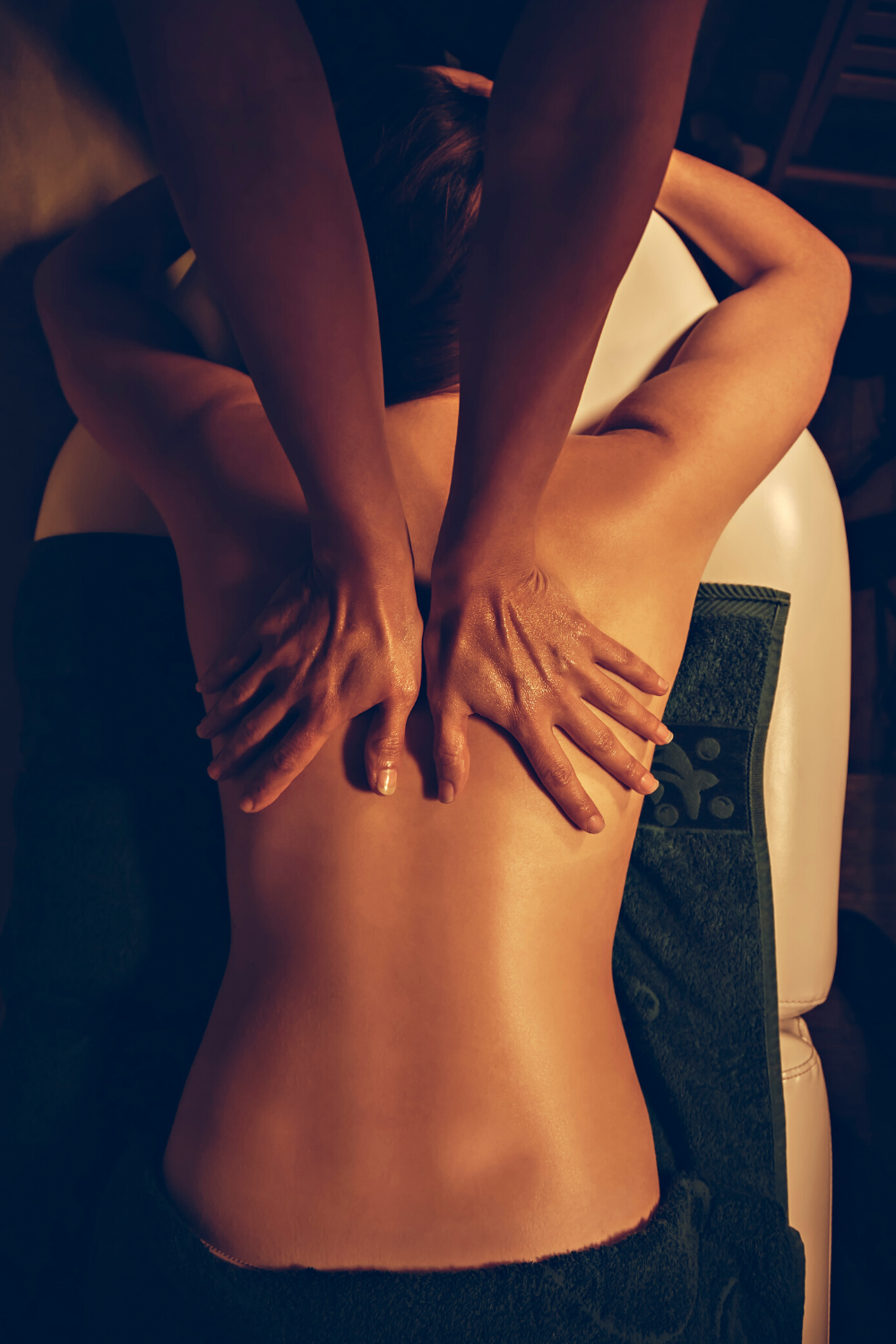
Massage activates the parasympathetic nervous system directly. That's most of why it feels the way it does, and most of what makes it useful.

Your nervous system is hardware. What feeds it is software. Three input streams matter most: nutrition, movement, and mindset.

Stretching helps for an hour. The pattern returns. If that's been your experience for years, the issue isn't your stretching technique.

Woman performing a yoga stretch to improve range of motion and joint mobility through chiropractic care

Real recovery isn't about how sore you feel. It's about whether your autonomic nervous system has shifted out of training stress and into adaptation.
Learn how cold laser therapy (LLLT) helps relieve pain, reduce inflammation, and speed tissue healing naturally at Foresight Wellness Center.

When caffeine stops working, the problem isn't tolerance. It's that you've hit the ceiling of what your nervous system can sustain.


No back or neck cracking. Easy, gentle adjustment that make an immediate and longer -term differences in many ways.
.avif)
Extremely grateful to have him work on me during my professional season at Phoenix Rising FC. He knows AMIT and cervical techniques that few people know in Arizona and the USA. Very thankful I found him!
I suffer from several chronic illness's and have gone from having to use a wheelchair anytime I would go out of the house to walking several miles a day. I was able to take my kids bowling last week!
that is done here can certainly be life changing
He has helped me tremendously and for that I am grateful. He is kind and genuinely interested in each patients well being. His staff is friendly and his office welcoming. I recommend him any chance I get!
Dr. Lavender came up with an outside the box plan and I began getting healthier
Dr. Lavender and the whole staff are amazing! They are far beyong your typical pop and crack Doctors.